
Welcome and overview
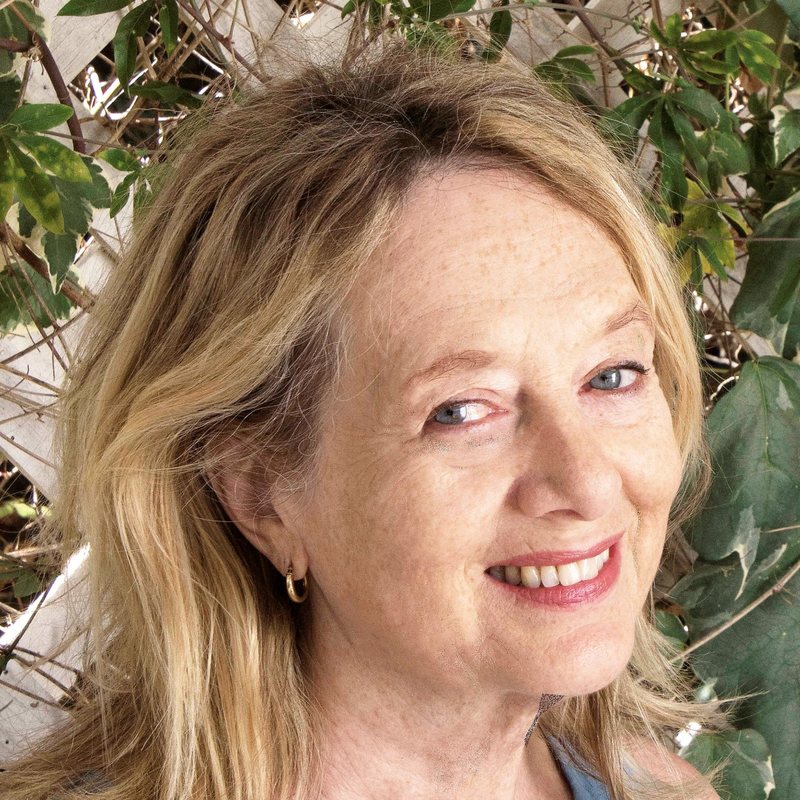 From your instructor, Anne Edwards
This course introduces the creative process that visual artists and designers each use, in their own unique way, when making their work. Throughout the course you show your understanding by responding to assignments in a personal way, drawing on your own experiences, interests and passions.
You are supported with one-to-one tutorials, where we discuss your work and I encourage and help you to discover your creative process and to produce work of high quality, both conceptually and technically.
This week
- Read the lecture and look closely at the drawings through history
- Watch the videos and read the linked articles
- Start your sketchbook with the title page for Assignment 1
- Research drawing and painting processes, four pages maximum each
- Experiment with mark-making
- Upload your document
The IDENTITY project
IDENTITY is the starting point for your own work. We discuss it in weeks 1 to 4. This week I introduce the whole project, explain how it is broken down week by week, and set out what I expect from you.
Lecture: why we make art
In this lecture I show artwork throughout history, mainly drawings, and discuss each one in terms of the creative process: how it is shaped by domestic and global events and by cultural change. I show student work alongside well-known artists, and examples of how students have completed this week's assignment.
Questions to think about as you read
Why has there always been a need for artwork?
From the first cave walls to today, every society has made images.
Why do people feel the need to create?
Think about your own reasons as well as the artists'.
What has changed in creativity over time?
New materials, new technologies and new ideas about what art is for.
How do world events provoke creativity?
War, trade, discovery and, most recently, the Covid pandemic.
Drawing through history
Look at each work in terms of its process: the materials, the method, and what was happening in the world when it was made. Then compare student work with the well-known artists.
 Cave paintings, Lascaux
Process. Outlines were drawn on the rock, then colour was daubed and blown on. Some of the oldest marks people ever made.
Context. Art before writing: people made images long before they made words.
Look closer Vitruvian Man
Process. Drawing as investigation. Leonardo measures the body against the proportions described by the Roman architect Vitruvius.
Context. The Renaissance rediscovery of classical texts brought art and science together.
Look closer Praying Hands
Process. A study, not a finished work. Dürer drew it while preparing an altarpiece, on blue paper he prepared himself.
Context. Studies like this show the research stage behind a finished commission.
Look closer Under the Wave off Kanagawa
Process. Hokusai's drawing was carved into woodblocks by craftsmen and printed many times over.
Context. When Japan opened to trade in the 1850s, prints like this reached Europe and changed how Van Gogh, Monet and others composed pictures.
Look closerProcess. Printmaking let Goya record what he saw in a series, plate after plate.
Context. A response to the Peninsular War in Spain. The series was published only after his death.
Look closerProcess. A new tool for an old habit: Hockney draws directly from what is in front of him.
Context. Released during the first Covid lockdown, when he was drawing spring arriving in Normandy.
Look closerStudent work
Examples of how students have completed this assignment.
Watch and read
Drawing
Selected by Anne for the drawing research. Open on YouTube
History of Ideas: painting
Selected by Anne for the painting research. Open on YouTube
Drawing
- History of drawingBeginner's School
- Drawing with ink nibsVideo search
- How to draw with charcoalVideo search
- How to draw with graphiteVideo search
Painting
- Perfect SquareMichael Hall, Vimeo
- The history of painting mediumsDavid H. Cunningham
- History of paintingWikipedia
- Google Arts & CultureSearch collections worldwide
On YouTube, search “How to draw with…” followed by any material you want to try.
Assignment 1
Produce visual and textual research in support of the creative processes of drawing and painting, and produce mark-making in support of this.
Drawing research
Find out about the processes, techniques, materials and methods artists use when drawing. Show work by well-known artists, with captions on how they used their materials, and try some techniques yourself.
Painting research
Do the same for painting: processes, techniques, materials and methods, with captioned images, your personal comments and your own tests.
Mark-making
Make marks with different drawing and painting materials. You are experimenting, not making a picture or an image.
Start with a title page
When you present your research and development, open with a title page laid out like this.
Your Name
Exploratory Stage
Research & Development
“IDENTITY”
PROCESS RESEARCH
Drawing and Painting
How to present it
- Include mostly images. Caption them and add your personal comments.
- Keep everything in your sketchbook and use it as a resource when you work on the set assignment.
- You may find other links that suit you better. Be resourceful.
Google Arts & Culture is a good place to look. For each process, limit yourself to four pages and try out some of the techniques yourself, to show you understand what you researched.
Mark-making studio
You are experimenting with materials and making marks, not making a picture or an image.
Try marks like these with pencil, charcoal, ink and paint. Vary pressure, speed, and the tool you hold. Fill a few sketchbook pages.
- Drawing mark-making exercisesImage search
- Painting mark-making exercisesImage search
Submit your work
When you finish, upload the assignment for consideration. When the time comes, add the second assignment to the same document and upload it again. Continue this way through the course, so your research grows into one record of your creative process.
- Assignment 1
- + Assignment 2
- + Assignment 3
- + and so on
Upload Assignment 1
In a live course, you upload here, in your institution's learning platform.
Discussion
Weekly discussion prompt from Anne to come
Students share a sketchbook page and respond to two classmates.
One-to-one tutorial
At key points in the course you meet Anne one to one on Zoom, at a time that fits your schedule, to talk through your work.
Learning to look, to see, to investigate, and to visually develop a creative thought process is something which will stay with you, and enrich your life forever.